Why Ethical Marketing Backed By Proof Builds Trust and Stronger Brands
Breaking the trust of your community is one of the worst things you can do in business.
Trust is easy to lose and hard to rebuild. People are more skeptical than ever, and rightly so. We question materials, headlines, supply chains, and any claim a business makes. Marketing is no longer just about visibility. It is about being believable.
Once trust is broken, you haven’t just lost one customer. Social media amplifies negative messages further and wider than positive ones.
This means ethical marketing has become essential. It is not a trend or an optional upgrade. It is a requirement for anyone who wants sustained, long-term success.
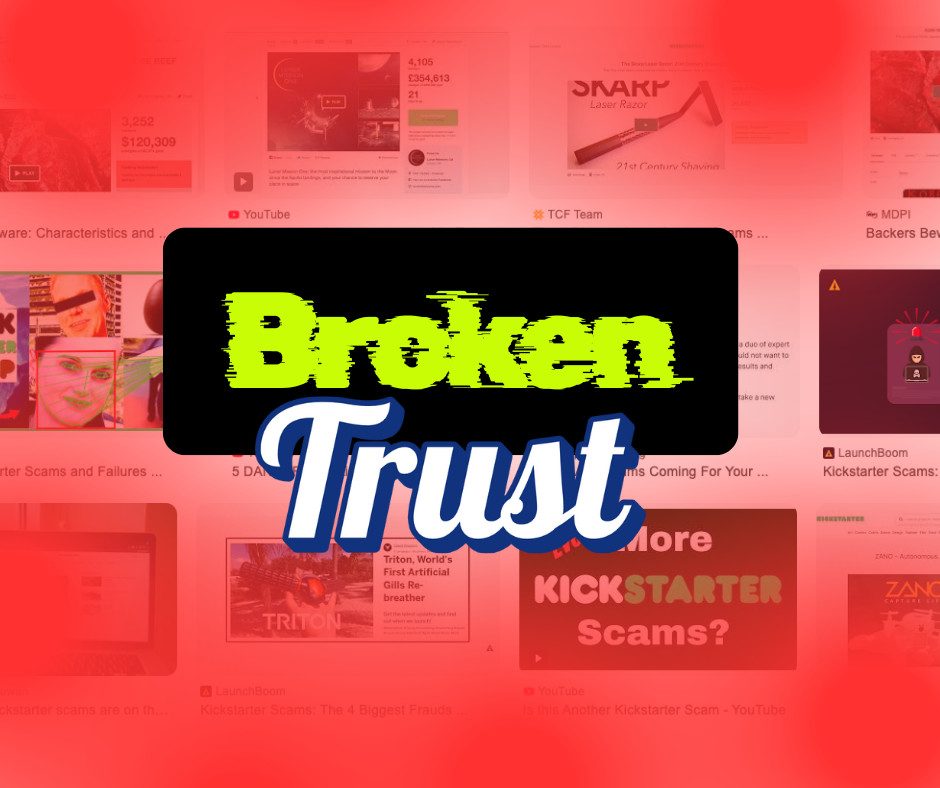
Why write about such an awful subject? I was reminded of this whole thing because of how mistreated Kickstarter customers are feeling right now. A lot of people in the tech and maker communities are now actively recommending their peers stay away from the entire platform. That there is how bad broken trust can get.
It need not be this way, and I believe it is a consequence of putting financial targets before all else, including ethics.
What Ethical Marketing Really Means
Ethical marketing means telling the truth. It means describing your product or service accurately and treating your customers with respect. It is not just about avoiding lies. It is about valuing people’s time, money, and trust.
You do not need to be perfect. But you do need to be real. When a brand speaks honestly, it earns more than sales. It earns belief.
Transparency Builds Trust
People want to know the story behind the product. Who made it? Where did the materials come from? Why does it cost what it costs?
Transparency gives people something they can connect with. Show your process. Talk about your challenges. Admit mistakes when they happen. Being human is what builds loyalty.
Why It Matters More Now Than Ever
Customers are no longer won over by polished campaigns. They read reviews, check Reddit, and message friends before buying. They praise brands that share their values and drop those that do not.
Responsible marketing earns trust because it shows you are not hiding anything. That reassurance is what turns one-time buyers into long-term customers.
When Silence Does More Harm Than Good
If your company stays quiet on a tough issue, someone else will speak for you. Often it is a critic or competitor. Silence is quickly read as avoidance. Consumers notice.
If something goes wrong, the best response is usually the most direct one. Admit the mistake, share what you are doing to fix it, and move forward. Cover-ups damage more than they protect.
Transparency and Loyalty Go Together
When people return to a brand, it is rarely just for the product. It is often because of how the company made them feel. Respect builds loyalty. So does honesty.
Customers who trust you tell others. They post online. They refer friends. They defend your brand when someone criticises it. That kind of loyalty is stronger than anything you can buy through discounts or short-term incentives. It shows up in genuine loyalty, not just conversions.
Telling Stories That Matter
Marketing with integrity does not mean being boring. Stories still work, but the ones that stick are the ones with substance.
Talk about how a product is made. Highlight the people behind the scenes. Show the values that drive your business. These are not just talking points. They are the things people remember and pass on.
A brand that shares honest, behind-the-scenes stories does not need hype. The truth is powerful on its own.
Proven Marketing Results Strengthen Trust
Consumers want both story and substance. That is where being able to claim and backup with case studies things like “proven marketing results” comes in.
Proof in the form of case studies, testimonials, reviews, and real-world data give people something concrete to rely on. When you combine evidence with empathy, your message becomes both believable and memorable.
People want to see that you have delivered before. They also want to feel that you care. Put both together and you stand out for the right reasons.
Avoid Overpromising
One of the easiest ways to lose trust is to make a promise you cannot keep. You might get a quick sale, but if the experience disappoints, you will not get another.
Ethical marketing means setting clear expectations and then exceeding them. Be upfront about what your product does. Let people know where the limits are. When you surprise them with more, it feels like value. When you deliver less than promised, it feels like deception.
How Transparency Shapes Brand Identity
In a crowded market, it is tempting to copy what works. Same tactics. Same language. Same sales pages.
But clarity and candour can be your edge. If you are honest about your pricing, your materials, your team, and your mission, you will not sound like everyone else. You will sound like yourself. That builds a reputation people remember.
Practical Ways to Apply Ethical Marketing
Ethical marketing shows up in your day-to-day decisions, not just your big campaigns.
Some examples:
- Show your full pricing up front
- Explain your returns policy clearly
- Share how your products are made
- Let your reviews speak for themselves
- Take responsibility when things go wrong
These details tell a bigger story. Over time, that story becomes your brand.
Build for the Long Term
Transparency is not a one-time campaign. It is a mindset. It influences how you treat customers, how you lead your team, and how you show up in the market.
Companies that focus on honesty do not just gain sales. They build trust. They attract better partnerships. They create environments where people want to work. And they earn loyalty that lasts through changing markets and tough conditions.
If you want your brand to grow over a lifetime, not just a quarter, ethical marketing is one of the most valuable habits you can build. It is a foundation for growth that endures.
Why Transparency Wins
Consumers have moved beyond marketing tricks. They are comparing notes. They are checking the fine print. They are making values-based decisions.
The brands that win are the ones that meet people with honesty, not hype.
Tell the truth. Back it up. Own your story. That is how trust is built, and how it lasts.