Building a Stronger Brand Identity
A strong brand is one of the most valuable assets you can create for long-term business success. Your brand is your business, it represents how you’re recognised, what you stand for, and why people should choose you. It’s not just your name or logo, it’s the experience and impression you leave behind.
The good news is there are practical, proven ways to build a brand that resonates with your audience and earns their trust.
Identify Your Values (and Live Them)
Your brand values are the principles that define how you operate and what you stand for. These values guide how you communicate, how you treat customers, and how you make business decisions. For example, if transparency is one of your values, it means being upfront when something goes wrong and being proactive in making it right.
Values give customers a reason to connect with you beyond the product or service. But they only work if you consistently act in line with them. Failing to live up to your stated values can damage trust quickly.
Decide Who You Do NOT Work With
Being clear about who you are for means sacrificing working with people who you will not or cannot work with. And that is fine, you need to focus on the people you can reach, who you can most deliver for, and who you like working with.
Remember, a big part of growing a positive brand is creating positive outcomes for the people you work with. Your brand isn’t just about what you say about your business, but about what other people say about your business. Sometimes, though, it is as important who is talking about you. For example, in Alberta there are a lot of companies who work in the oil and gas field so rather than a generic “small business” testimonial, perhaps align your business with pressure gauge suppliers who can talk about how easy and pleasurable it was working with you.
Do not try to please everyone, you will only make your life (and theirs) more frustrating and less enjoyable.
Create a Strong Visual Identity
Your visual identity is how your brand looks across everything you do. This includes your logo, colour palette, typography, and overall design style. A strong visual identity helps customers instantly recognise you and builds familiarity over time.
Think about brands like Nike, their swoosh logo alone communicates performance, grit, and movement without needing any words. Aim to develop a consistent visual style that reflects your values and makes your business instantly recognisable.
Column Five Media has some excellent visual branding examples.
This might sound like a lot of work, but it doesn’t need to be. Tools like HubSpot can centralise your brand guidelines and keep all of your visuals in a folder for fast cross-departmental access. The only potential downside here is that free plan users will also have to put up with the inclusion of HubSpot’s branding across their own. This is one of the biggest downsides highlighted in any HubSpot free vs paid comparison. While it might be fine when you have five followers and a budding business dream, it can water down your visual identity a little as you grow. Luckily, HubSpot’s paid plans free you from that curse, ensuring simple access to a strong visual identity suite that’s solely yours. Whether you choose this tool or any other, make sure your visual identity is crisp, concise, and consistent across everything you do.
Decide on a Clear Brand Voice
Your brand voice is how you sound in written and spoken communication. It should reflect the personality of your business and feel familiar to your audience.
Great overview in this video here:
Your voice might be friendly, expert, bold, humorous, or formal, but the key is consistency. Make sure the tone you use in your website copy, emails, ads, and social posts all match the expectations and preferences of your target audience.
Invest in a Solid Website
Your website is often the first impression someone gets of your brand. It should be designed with your target audience in mind, reflecting your visual identity and offering a smooth, professional experience.
Customised websites give you full control over design and functionality, which means you can include features that align closely with your brand and improve user experience. A good site also supports SEO, lead generation, and credibility, all of which build your brand reputation.
Do research on which website builder you are going to use. If your current one isn’t working, then it is okay to switch to another, however, this can be a lot of work for a non-technical business owner. While I specialise in WordPress and custom PHP/NodeJS/Python builds, there are people out there who, for example, can offer you Shopify migration services, so ensure you get specialist help for your specific platform where possible.
Use Social Media to Build Community
Social media is more than just a place to promote products. It’s where your audience spends time every day, so meet them there with useful, entertaining, and on-brand content.
Learn more about using social media to grow your brand.
Use social media to:
- Share content that reflects your values and voice
- Join conversations relevant to your industry
- Highlight behind-the-scenes moments
- Respond to customers in a human, respectful way
- Post video content, short clips, and infographics that reinforce your brand personality
The goal is to become part of your followers’ daily feed in a way that builds trust and familiarity over time.
Brand Your Packaging
If you sell physical products, your packaging is a key brand touchpoint. Branded packaging makes your business look professional and established, and it also increases recognition wherever your parcels are seen.
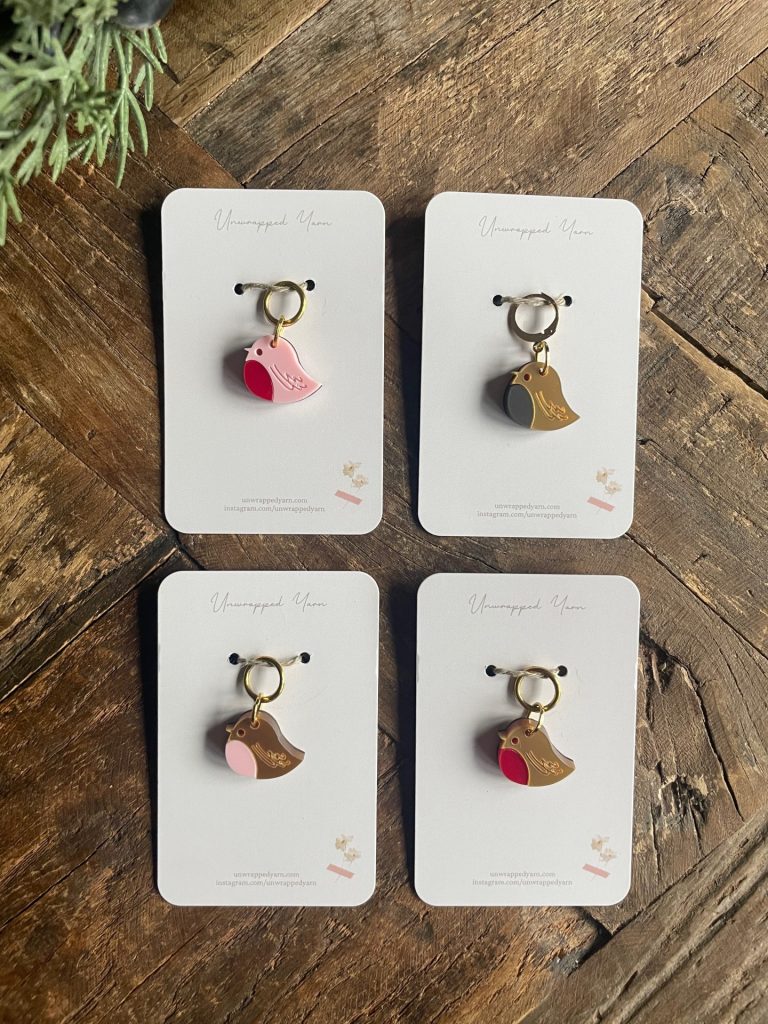
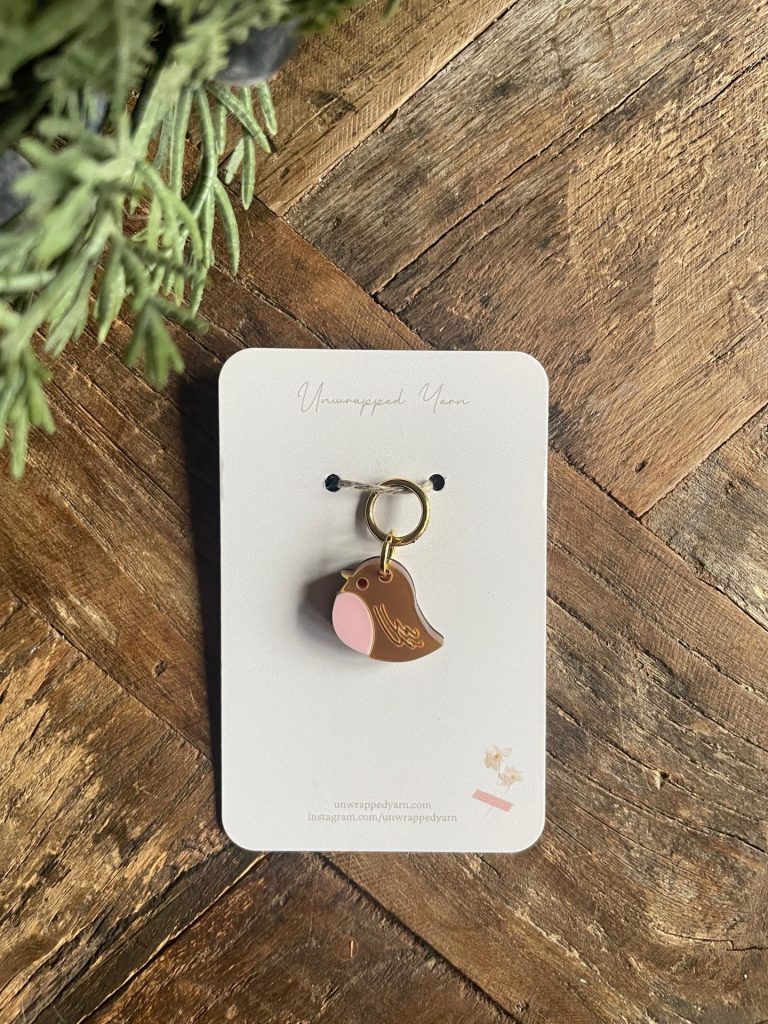
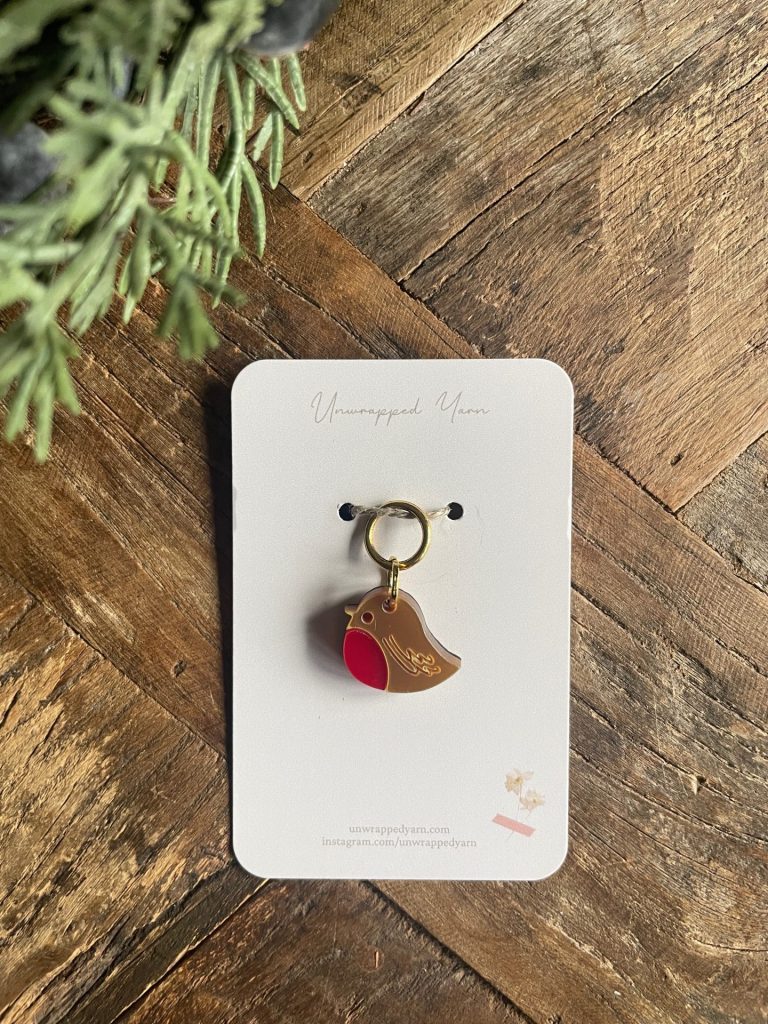
My wife is exceptional at this, people who meet her at markets and events are always complimenting her not just on her packaging and branding, but how cohesive and congruent it all is when experienced in person.
Unboxing videos are a popular social trend, so distinctive packaging can lead to free exposure online. Branded packaging like these uline boxes are an effective way to ensure your brand stays top of mind, even when not featured as the focus – purchases and “hauls” get shared all the time on Instagram.
Tell Your Brand Story
Stories stick. One of the most powerful tools in branding is your origin story, how your business started, the problem you set out to solve, and what motivates you to keep going.
Sharing your brand story builds emotional connection and gives people a reason to care about your journey. It puts human faces behind the business and makes your purpose relatable.
Build Consistency Into Your Systems
When it comes to building a stronger brand identity, it’s also worth building consistency into your systems. Often, it’s consistency (or predictability) rather than stellar service quality that makes the top brands stand out from the rest. Think of all of the fast food restaurants that you know, they don’t win because they are the best, more it is because you know what to expect. One of the best ways to do this is to get professionals to help you with things you can’t (or shouldn’t) handle yourself so you can focus on the things you can control. Consider using logistics companies, professional finance/accounting/payroll, even things like managed IT services can make a big difference when it comes to keeping everything running the way you want.
Consistency is also helpful when it comes to keeping any contractors or employees happy. If they feel like they are able to avoid frustration while at work, then it makes turnover less likely.
Humanise Your Brand
This has never been more important now that there is even more distrust of anything found online due to AI, deep fakes, and a greater willingness to simply lie to get ahead.
There is a lot more to say about this, but for now focus on connecting human to human.
People trust people more than faceless companies. Show the real humans behind your brand, and you’ll build stronger relationships.
You can do this by:
- Adding profiles with names, photos, and job titles
- Sharing behind-the-scenes content
- Posting fun or informal videos (even light humour or team TikToks can work where appropriate)
- Showing how your team solves problems for customers
Letting people see your culture and the humans behind the brand builds warmth, trust, and memorability.
Bottom Line
Bake your brand values into everything from what you do, what you say, and how you say it, and more of the right people will connect with you!