How I Get “Free” Stuff to Review and You Can Too
Affiliate reviews have a frustrating catch-22 where you need to be doing reviews in order to get products to review.
It’s also upsetting to see people in your niche always getting the latest and greatest things, joining in the buzz, while you are on the sidelines.
How can you get the things you need to write reviews about, and promote with affiliate links, without spending a fortune?
A great way to get started really is to review the things you have purchased and honestly recommend, though obviously that doesn’t scale all that well so let’s look at how you might get things sent to you to review as well.
Free Has a Price
It has to be said that you are not really getting free stuff. You are exchanging value.
The obvious starting point here is that you will need to put time and effort into things, and perhaps more.
I have paid a lot of money over the years on my free stuff due to very high import duty costs, shipping being underestimated and having to pay overages, plus out of pocket expenses like materials and consumables.

Warning, however, you should never have to pay them, or pay for shipping. There is a common scam involving you having to wire money, or purchase then get a refund, and other variations on the theme. Do not fall for it.
Still despite the dangers and some costs, doing reviews has been a great experience for me because there is no way I could have kitted out my workshop the way I did just on my own.
There is also a value in your knowledge, experience, and relationship with your community.
It’s like the old story about the plumber – 1c for the washer, $999.99 for knowing where it goes.
1. What’s In It For Them? (It’s Not About You)
First we need to understand that from the perspective of the merchant, brand, or vendor, the relationship and the transaction have very little to do with you.
Unless the company wants to associate their brand with your celebrity, you are going to need to take another approach.
That means figuring out what they will get out of the deal. What outcome can you offer?
- Brands want visibility, but not always a big boost of attention. Being top of mind over time is just as important, so in my case when I show myself making things using a certain tool, showing results of what the product does, that works just as well as sending an email or publishing a review.
- Tutorials and demos work great, especially when the supplier’s own documentation doesn’t go into much detail on the thing you are teaching about.
- Being helpful and answering questions is a great way to get noticed by companies – often that is the key reason I have been sent early releases and beta units, because they want the feedback but also want people in the community who can help others on release day.
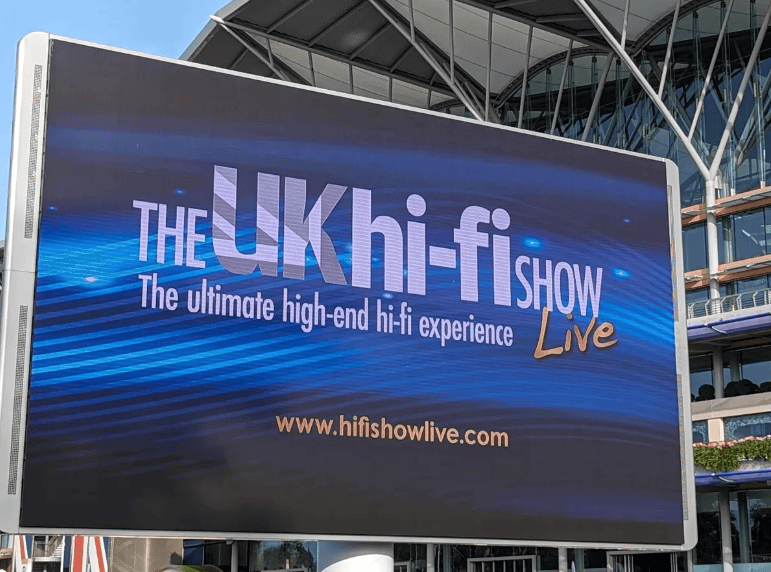
- Sharing news can be a great way of getting noticed too. Before my brother moved into specializing in the audiophile space, he wrote a gadgets reviews and news blog. He has been flown all around the world to cover exhibitions and events because of his unique take on things.
Notice you are serving your audience, but in ways that help the brand get in front of that audience in a useful way. It’s not about copying and pasting press releases!
2. Followers Can Help, But They’re Not Everything
People with a million YouTube subscribers or tens of thousands of TikToks/Instagrams/etc are going to have an easier time getting noticed by PR companies and brand managers because having a huge audience is a nice and easy proxy for what they are looking for.
But I do not have any of that, so why do I get sent thousands of dollars of tools and equipment?
Rather than push my limited on-camera performance abilities, instead I have focused on ranking for certain keywords in Google, growing an email list, and building community on Facebook.
That said, it is not raw numbers that matter even then, but what happens when I make a suggestion.
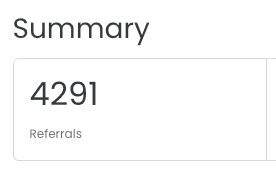
You see, the advantage I have now, that I didn’t have in the beginning, was I can show conversions and prove that when I recommend something that my audience listens and purchases.
Until you have metrics to share, instead you will need to outline a plan of what you are going to do, when you will do it, and what that will do for the brand.
Prove to them you are offering a service, not coming to them with your hand out.
3. With Great Power Comes Great Responsibility
Knowing that people will buy based on your recommendations, you must never suggest they purchase something you do not 100% believe in.
There are a couple of traps people get into here:
- Fear of upsetting the brand representatives with negative reviews, meaning the free stuff supply will stop.
- Fear of limiting affiliate revenue by not making the review glowing and positive.
Fact is, once burned, your audience are going to stop listening to you. Never lie to make a sale, or to keep a vendor relationship.
Speaking of relationships, the more well-known and helpful you are in your niche, the more likely someone will have a contact who they are willing to put you in touch with.
This makes it even more important that you hold on to your ethics and your good reputation. If you burn your friend, hurting their reputation, then word WILL get around that you can not be trusted.
Bottom Line
Rather than thinking “what can I get” we need to think about the service you are offering to the affiliate manager, PR person, or brand/marketing team.
What can you do for them to make the most impact?
Once you have that figured out, you can even start to get free stuff AND get paid a sponsorship …