
How Better Fulfilment Helps You Grow a Loyal Customer Base
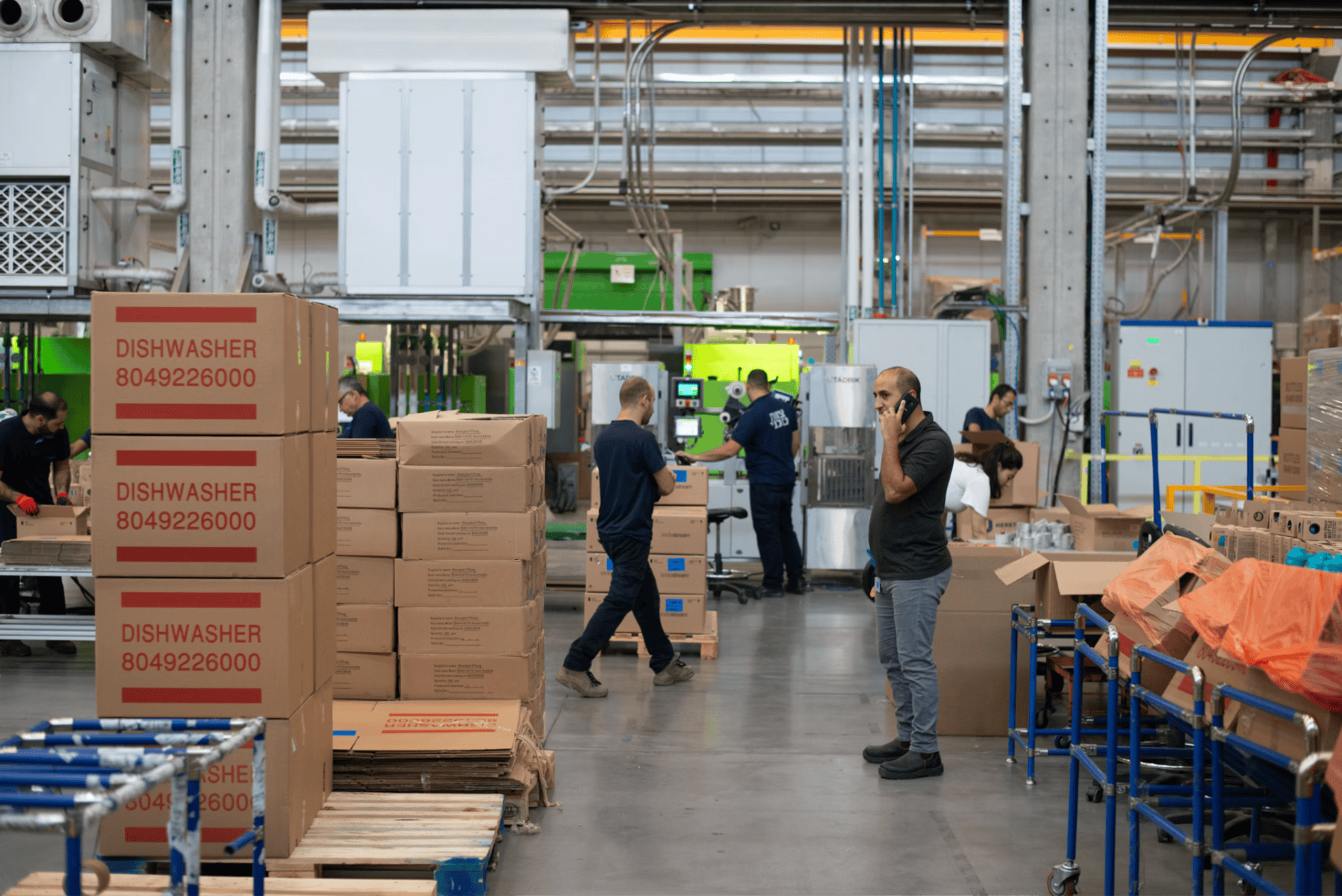
In the world of ecommerce, we often focus on the flashy parts of growing an audience: social media campaigns, SEO, and eye-catching ads. But what happens after a customer clicks “buy”? The journey from the warehouse to their doorstep is where many brands either solidify a loyal customer for life or lose them forever. Mastering your delivery and fulfilment process isn’t just about logistics; it’s a powerful and often overlooked strategy for target audience growth. A smooth, fast, and communicative delivery experience turns one-time buyers into repeat customers and vocal brand fans.
Customer Experience Drives Loyalty
The customer experience doesn’t end when a payment is processed. In fact, for the customer, the most anticipated part of their journey is just beginning. The post-purchase phase, which includes order confirmation, shipping notifications, and the final delivery, is filled with emotion and expectation. Getting this right is fundamental to building trust and loyalty. A seamless customer experience in this stage goes beyond simply getting the package there; it involves clear, proactive communication and meeting, or exceeding, the expectations you’ve set.
Think about the last time you ordered something online. You likely received an immediate confirmation email, followed by a notification when the item shipped, complete with a tracking number. This simple communication loop provides reassurance and builds confidence in the brand. When a business fails to provide this, anxiety and buyer’s remorse can set in. The goal is to make the customer feel informed and cared for every step of the way, transforming a transactional relationship into a relational one.
Delivery Speed and Customer Satisfaction
In today’s market, speed is no longer a luxury; it’s a baseline expectation. Customers have become accustomed to two-day, next-day, or even same-day shipping options. A delay of an extra day or two can be the difference between a five-star review and a frustrated email to customer service. The changing delivery expectations mean that businesses must optimise their fulfilment operations for both speed and accuracy. Slow delivery times are frequently cited as a top reason for cart abandonment and customer churn.
This challenge becomes even more complex when you start selling to a wider audience. If your business is expanding, maintaining consistent delivery speeds across different countries is critical for brand integrity. A customer in Paris shouldn’t have to wait a week longer for their order than a customer in Berlin. This is where specialised logistics and fulfilment networks become essential. For example, a provider offering EU ecommerce fulfilment can store inventory in strategic European locations, process orders, and manage shipping more efficiently, helping reduce transit times and shipping costs. By meeting regional expectations for speed, you ensure a positive and consistent experience for your entire audience, no matter where they live.
Turning Buyers Into Brand Advocates
A positive delivery experience is one of the most powerful tools for creating organic marketing. When a customer receives their package faster than expected or is delighted by the unboxing experience, they are far more likely to share their excitement. This can happen through word-of-mouth recommendations to friends and family or through public shout-outs on social media. These moments are authentic endorsements that new audiences trust far more than traditional advertising.
You can actively encourage this by investing in the final-mile experience. Consider these simple but effective strategies:
- Branded Packaging: A custom box or mailer reinforces your brand identity and makes the delivery feel more special than a generic brown box.
- Thoughtful Inserts: A simple, handwritten-style thank you note or a small, unexpected gift can create a memorable moment.
- Easy-to-Share Content: Include a card that encourages customers to share their unboxing experience on social media with a specific hashtag.
These small touches show you’ve put thought into the entire customer journey. They help create brand advocates who not only come back to buy again but also bring new customers with them. It’s about transforming a simple transaction into a shareable story.
Streamlining Returns Management
No matter how great your products are, returns are an inevitable part of running an ecommerce business. How you handle them can either salvage a customer relationship or destroy it completely. A complicated, confusing, or costly returns process is a major deterrent for future purchases. Conversely, a simple and hassle-free returns system can actually increase customer loyalty and confidence.
Many customers check a company’s return policy before even making a purchase. They see it as a safety net. If your policy is difficult to find or restrictive, you may lose the sale before it even happens. To build trust, your returns process should be as smooth as your sales process. A well-designed ecommerce returns process typically includes a few key elements: a clearly written policy, a self-service online portal for initiating returns, and printable, prepaid shipping labels. By making it easy for customers to send an item back, you show that you stand behind your products and value their satisfaction over a single sale. This confidence often encourages them to try another product from your store in the future.
Feedback Loops for Continuous Improvement
The data and feedback generated from your fulfilment process are a goldmine for business intelligence. Your work isn’t done once the package is delivered. To truly master audience growth through delivery, you need to create feedback loops that help you continuously refine your operations. This means actively listening to what your customers are telling you, both directly and indirectly, about their delivery experience.
Start by collecting direct feedback through post-purchase surveys. Ask simple questions like:
- Was your order delivered on time?
- Did the package arrive in good condition?
- How would you rate your overall delivery experience?
In addition to direct surveys, monitor indirect feedback channels. Keep an eye on social media mentions, product reviews, and customer service inquiries related to shipping and delivery. Are there recurring complaints about delays in a specific region? Are customers frequently reporting damaged packaging? These data points are clues that can help you identify weak spots in your fulfilment chain. Analysing this information and taking action helps you proactively solve problems, improve customer satisfaction, and build a more resilient and beloved brand.
Ultimately, your delivery strategy is your customer service strategy. Viewing it as a core component of your marketing and retention efforts allows you to build a loyal audience that trusts your brand and is eager to spread the word.