
How to Boost Engagement with Strategic Live Events
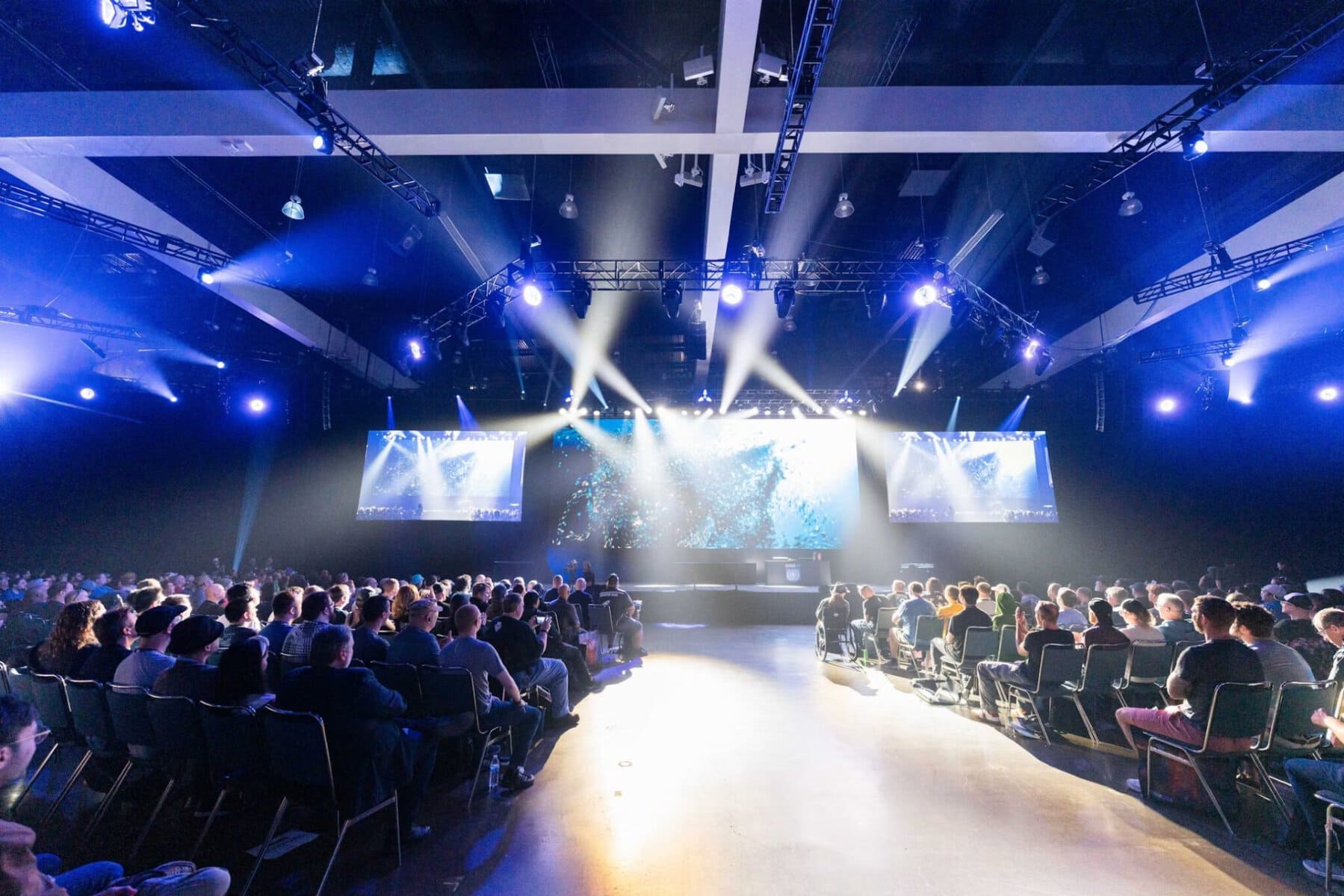
Truly connecting with your audience in this noisy digital world can feel like an uphill battle. While social media and email marketing can help, they sometimes miss the personal touch that builds real loyalty. Strategic live events offer a powerful solution by turning passive followers into active community members.
Events can create a shared, tangible experience that builds engagement and brand affinity in ways digital interactions just can’t match. When you plan a convention with clear goals and a focus on the attendee experience, it can drive growth and build lasting relationships with your audience.
Why Events Drive Audience Growth
There’s a special energy in a room full of people who share a common interest. Live events tap into our basic human need for connection and community. Unlike a social media post or an email, an in-person gathering creates a multi-sensory experience that builds stronger emotional bonds with your brand.
This direct interaction helps humanize your brand and lets your audience meet the people behind the logo, which fosters a sense of trust that’s hard to achieve online. A well-run event gives attendees something positive and exciting to talk about, both online and off. They share photos, chat about what they learned, and recommend your brand to their friends.
Thoughtful event growth strategies can also help you focus on creating these memorable moments that people are eager to share. They’ll help you build a loyal following that feels personally invested in your success. This shift from a transactional relationship to a relational one is key to growing your audience sustainably.
Defining Your Event Goals and Format
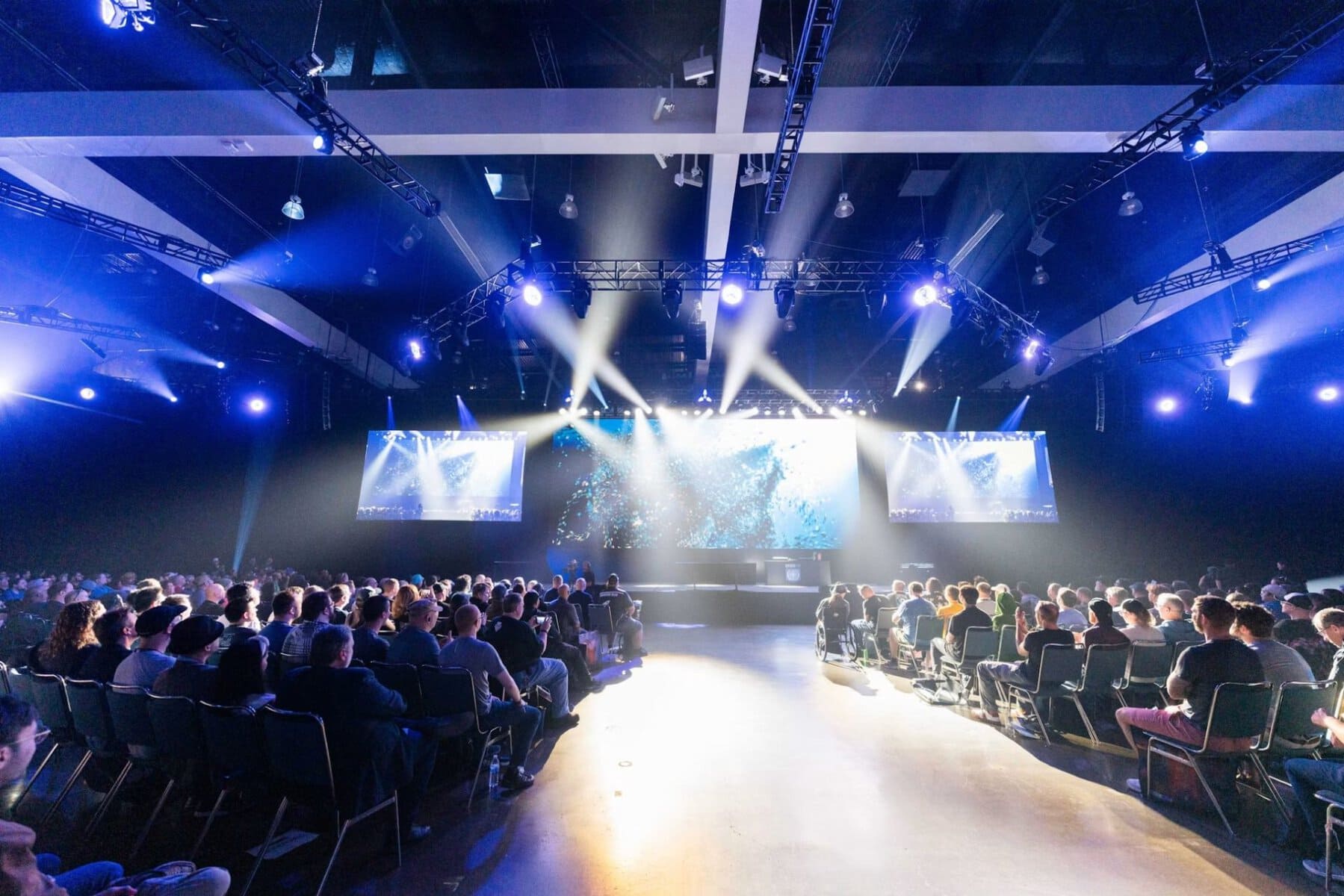
Before you book a venue or print a single name tag, you need to answer these important questions: Why are you hosting this event? Without a clear objective, your event will turn out costly and ineffective. Your main goal will shape every decision you make, from the guest list to the content. Secondly, are you trying to generate new leads, educate existing customers, launch a new product, or simply show appreciation for your community? Each of these goals needs a different approach.
Once your main objective is clear, you can choose a format that fits it.
- Workshops and Seminars: Great for educational goals and for positioning your brand as an industry expert.
- Networking Mixers: Perfect for building community and helping attendees connect.
- Exclusive Previews or Launches: Excellent for creating buzz and driving sales for a new offering.
- Client Appreciation Dinners: A powerful way to build loyalty and get valuable feedback from your best customers.
The event’s success can be measured by the number of qualified leads you generated, post-event sales, social media engagement rates, or attendee satisfaction scores. You need clear metrics to understand your return on investment, so Key Performance Indicators (KPIs) should be set during the planning phase. A solid framework for planning and measuring success ensures your event isn’t just a great experience, but also a smart business decision.
Finding the Perfect Venue, Faster
The venue can set the tone for the entire experience and can determine the event’s success, so pick wisely. Key things to consider include location, capacity, accessibility, available amenities like A/V equipment and parking, and, of course, your budget. The wrong venue can create logistical nightmares and detract from an otherwise well-planned event. For example, an industrial-chic loft might be perfect for a creative product launch, while a formal hotel ballroom is better for an awards gala.
Traditionally, finding the perfect space is one of the most time-consuming parts of event planning. It often takes countless hours spent searching online, making phone calls, and scheduling site visits, all while trying to compare inconsistent quotes and availability. This manual process can be a significant bottleneck that can delay your timeline.
Luckily, technology is changing things. Modern platforms like EventCage use smart technology to match your specific event needs with a curated list of suitable venues, which can save you a lot of time and effort. Instead of starting from scratch and worrying about logistics, you can quickly filter options to match your exact requirements and focus on creating an amazing experience for your attendees.
Content Strategies for Event Success
Thinking about your gathering as a big moment for your brand helps frame its potential as a goldmine of content. That’s why your strategic content plan should cover the entire event lifecycle: before, during, and after the event, to expand your reach. This maximizes engagement and extends the value of your investment far beyond the event itself.
Before the event, your goal is to build anticipation.
- Announce speakers and special guests one by one on social media.
- Share behind-the-scenes glimpses of the planning process.
- Publish blog posts or videos related to the event’s theme to attract a relevant audience.
- Use email to share agenda highlights and “know before you go” information.
During the event, focus on encouraging interaction and capturing content.
- Designate a unique, easy-to-remember hashtag and display it prominently.
- Set up a photo booth or an “Instagrammable” spot to encourage social sharing.
- Record keynotes and breakout sessions for later use.
- Use live polls and Q&A tools to keep the audience actively involved.
After the event, the work continues. This is your chance to reinforce your message and keep the momentum going.
- Send a thank-you email to all attendees with a link to a feedback survey.
- Publish a recap blog post with key takeaways and photos.
- Share session recordings or slide decks with attendees and a wider audience.
- Edit longer videos into short, shareable clips for social media.
Promoting Your Event for Maximum Reach
Even the most incredible event will fail if no one knows about it. Promotion should start several months in advance to give potential attendees plenty of time to plan and commit. Also, create a dedicated event landing page that serves as the central hub for all information, including the agenda, speaker bios, venue details, and a clear call to action to register.
To reach the widest possible audience, use a mix of channels:
- Email Marketing: This is your most direct line to your existing audience. Segment your list to send personalized invitations to different groups, such as past attendees, loyal customers, and promising leads. Create a drip campaign that builds excitement and reminds people to register before deadlines.
- Social Media: Create an official event on platforms like LinkedIn and Facebook. Run targeted ad campaigns to reach new audiences based on demographics, interests, and professional roles. Encourage your speakers, sponsors, and employees to share the event with their own networks.
- Partnerships: Collaborate with industry influencers, media outlets, or complementary businesses to co-promote the event. This can dramatically expand your reach into new, relevant communities.
- Early-Bird Incentives: Create a sense of urgency by offering a discount for those who register early. This not only rewards early bird attendees but also helps you secure initial registrations, which builds social proof and momentum.
Successfully hosting a client event that sells out requires a sustained and creative promotional push. If done right, you’ll get to connect with your audience on a human level and build loyalty that directly translates into business growth.